A STONE WALL IN YOUR SPACE: INSPIRATION BY ROOM AND BY PROJECT
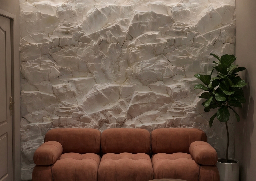
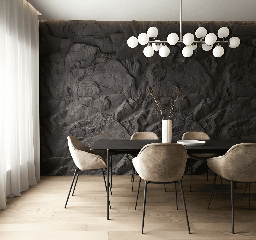
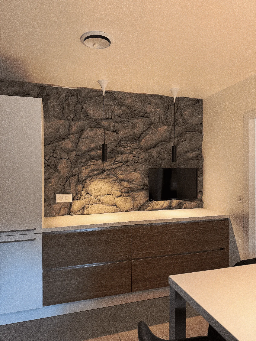
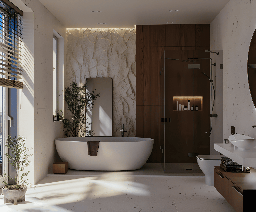
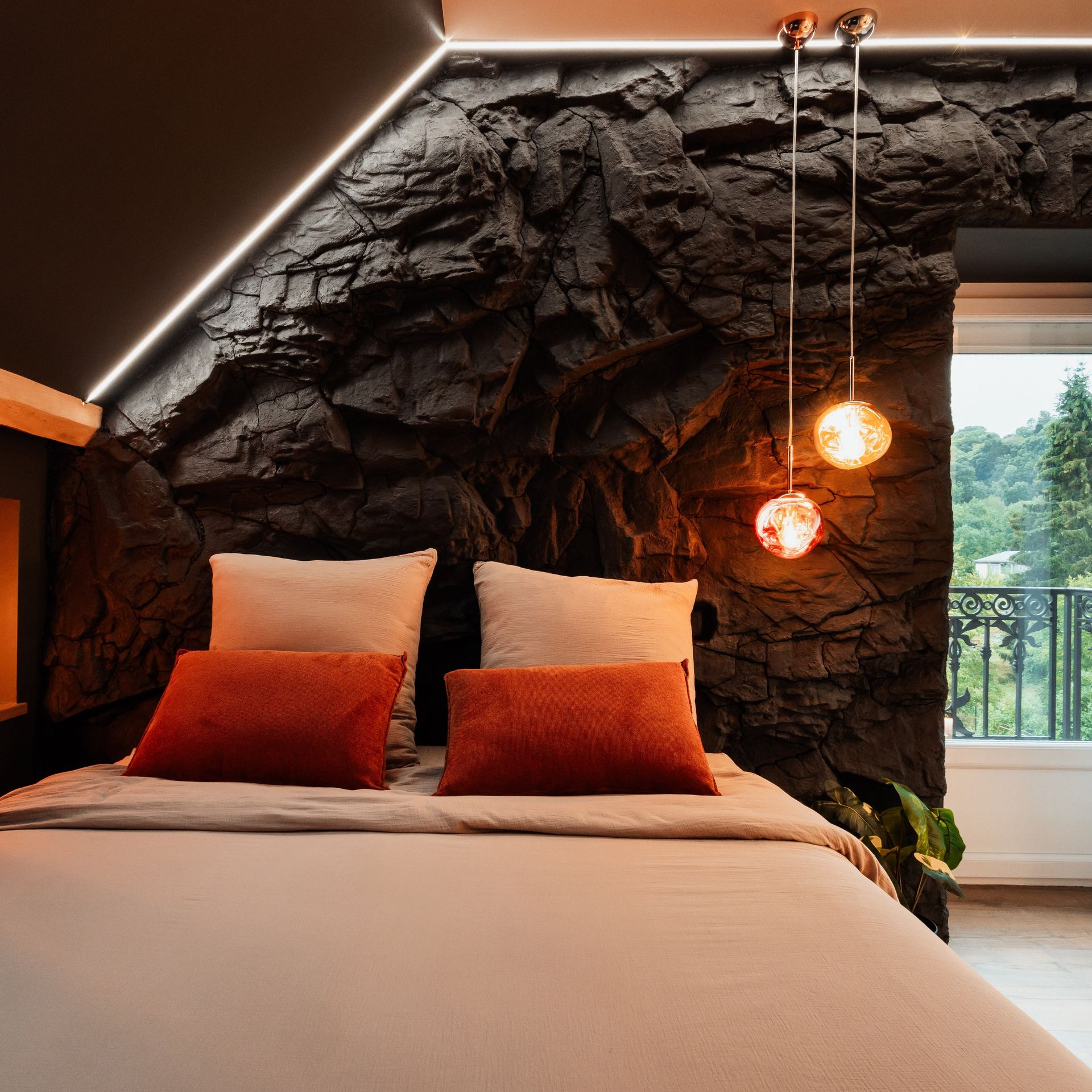
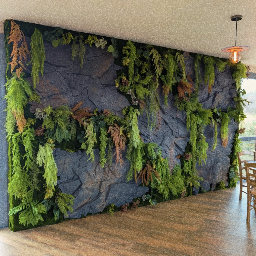
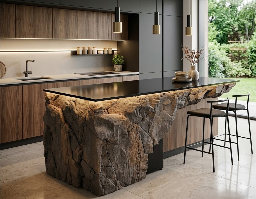
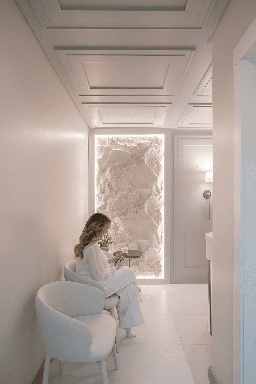
The Óros stone-effect wall panel works as well behind a bed as in a shop window. But no two locations call for the same approach: lighting, viewing distance and the effect you are after change every time. Below, one page per use, with real projects, what to watch for in each context, and what to plan before you order.


AVIS DE NOS CLIENTS ET RÉALISATIONS
AVIS DE NOS CLIENTS ET RÉALISATIONS
LIGHTING A STONE WALL: LIGHT IS WHAT CREATES THE DEPTH
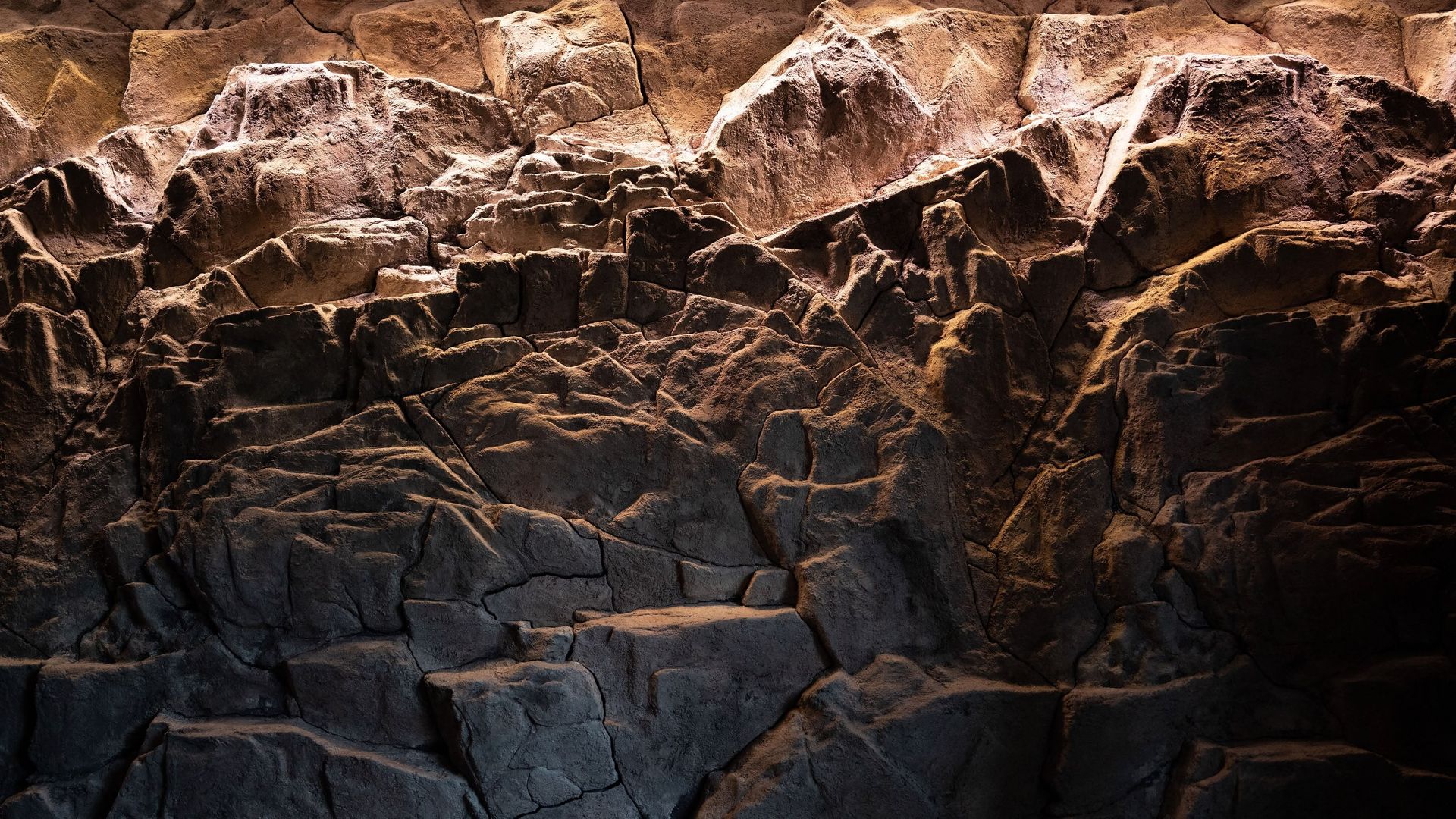
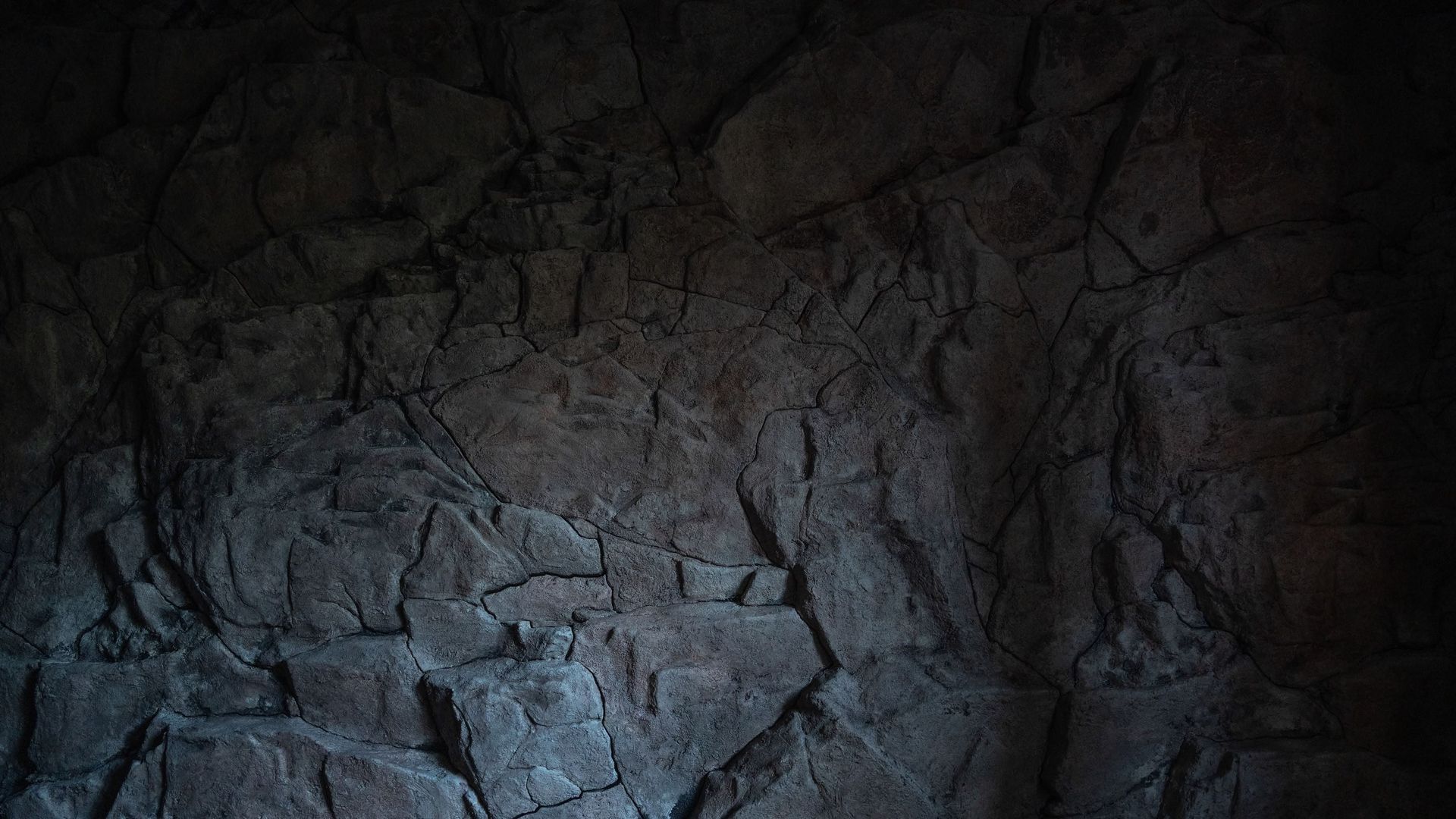 Sans lumière rasante
Avec lumière rasante
Sans lumière rasante
Avec lumière rasante
Sans lumière rasante
Avec lumière rasante
Sans lumière rasante
Avec lumière rasante
Texture itself is invisible: what you see are its shadows. Frontal light hits hollows and ridges alike, and with no cast shadow the panel looks flat. Grazing light, placed 15 to 30 cm from the wall and aimed up or down, runs along the surface and brings out every edge. An LED strip in a ceiling cove, a concealed strip behind a cornice, offset spotlights or floor uplights: the result is a different wall altogether.
COLOUR TEMPERATURE CHANGES THE TONE
Angle reveals the texture; colour decides the tone. Below 2700 K the ochres glow and the stone warms up; at 4000 K the greys take over and the mood turns architectural; at 6500 K the stone hardens. No setting is better than another. They simply tell different stories.
The same wall, from warmest to coolest:

6500K
COLD WHITE
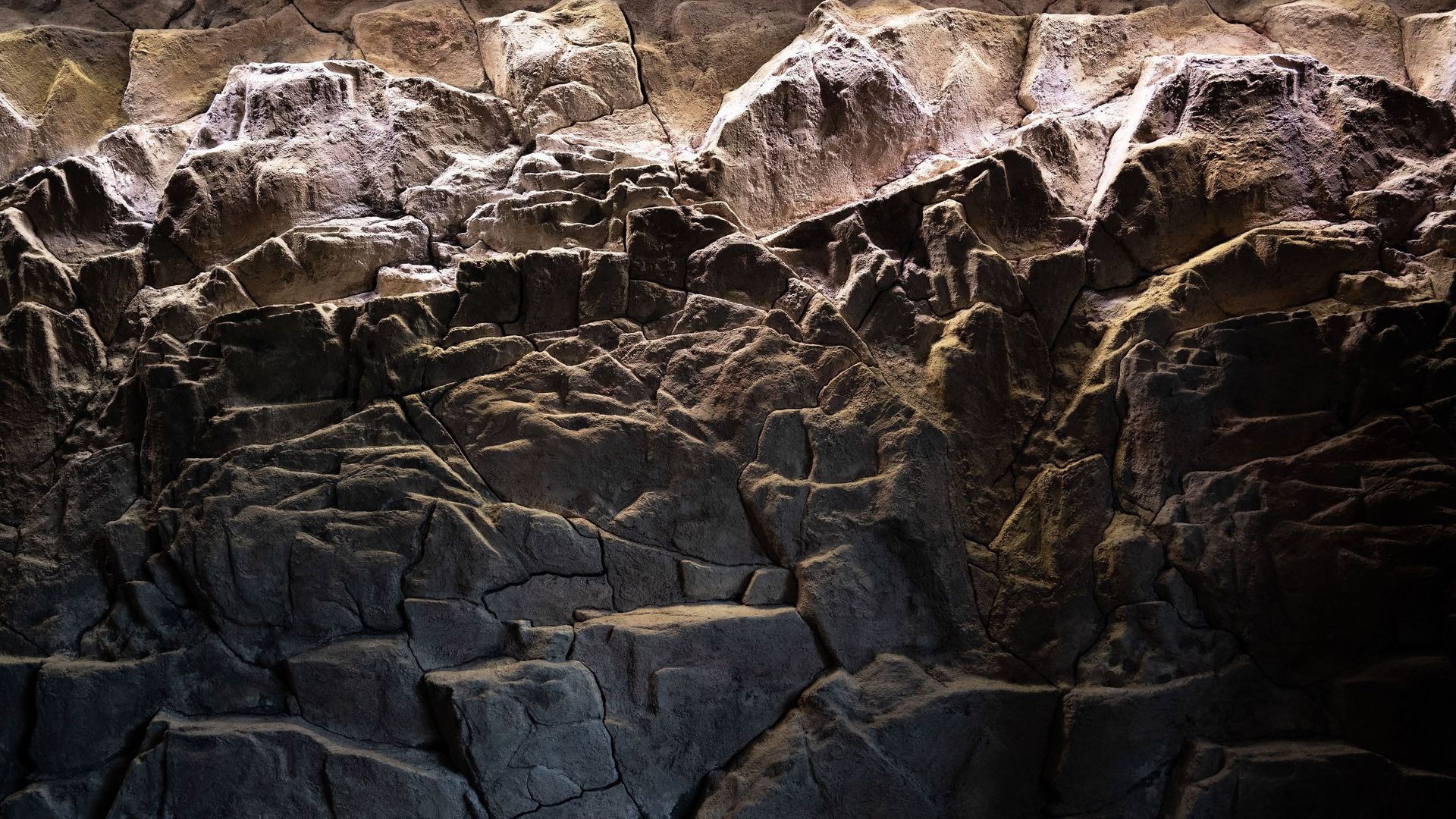
4000K
NEUTRAL WHITE
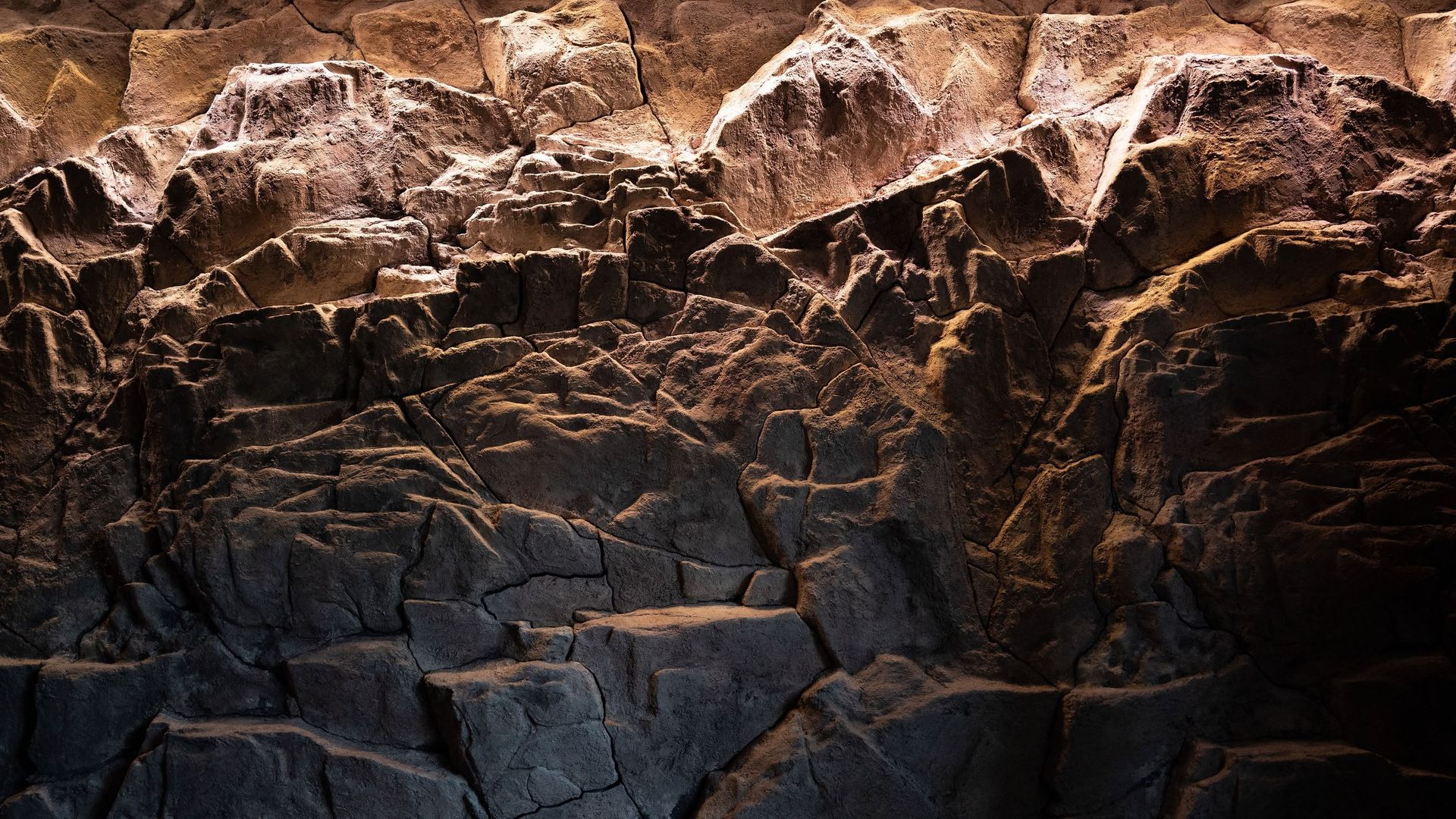
3000K
WARM WHITE
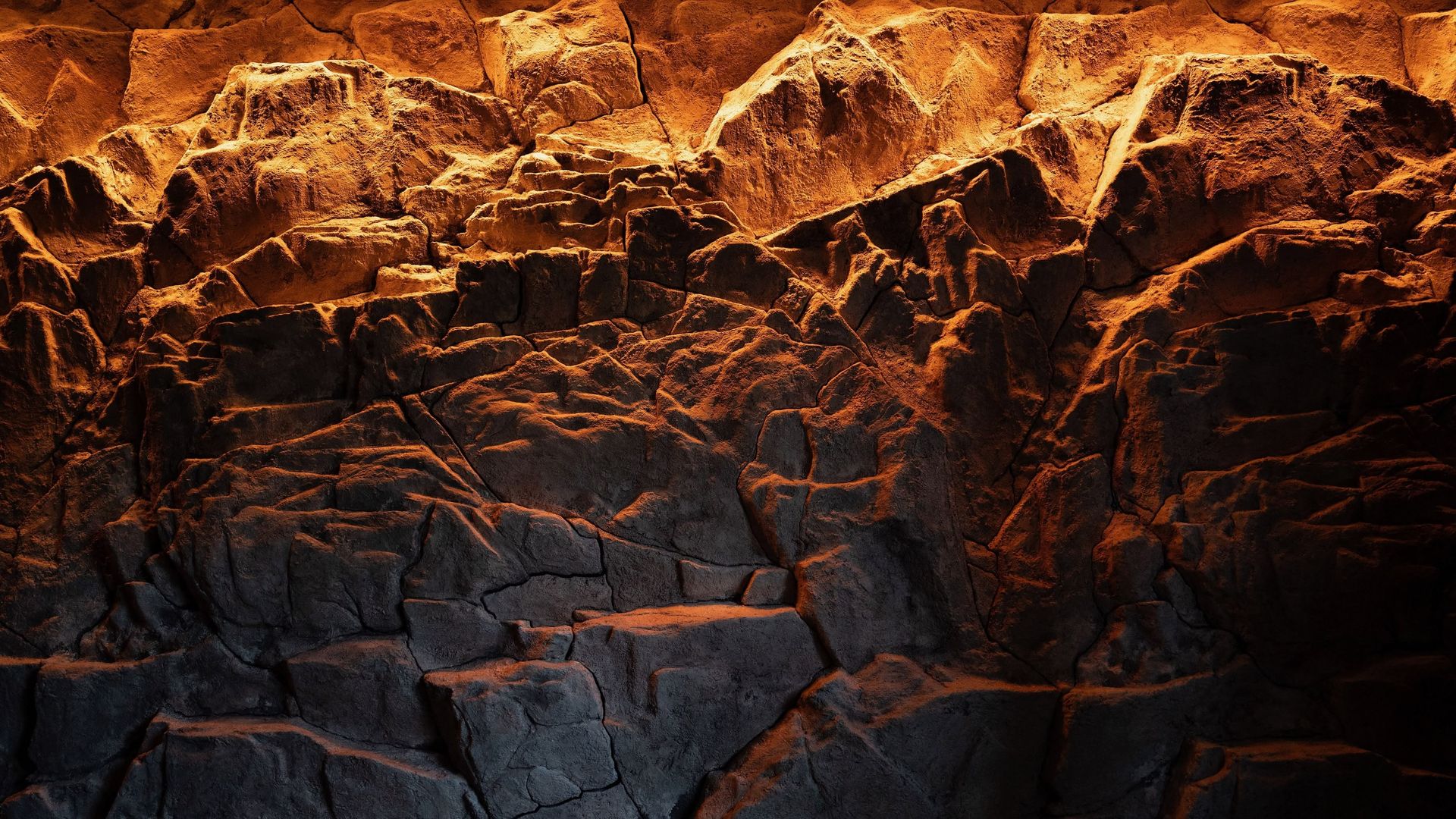
1800K
AMBER