
Skip to Content
Votre panier
Votre panier
Votre panier est vide


A STONE WALL IN THE LIVING ROOM


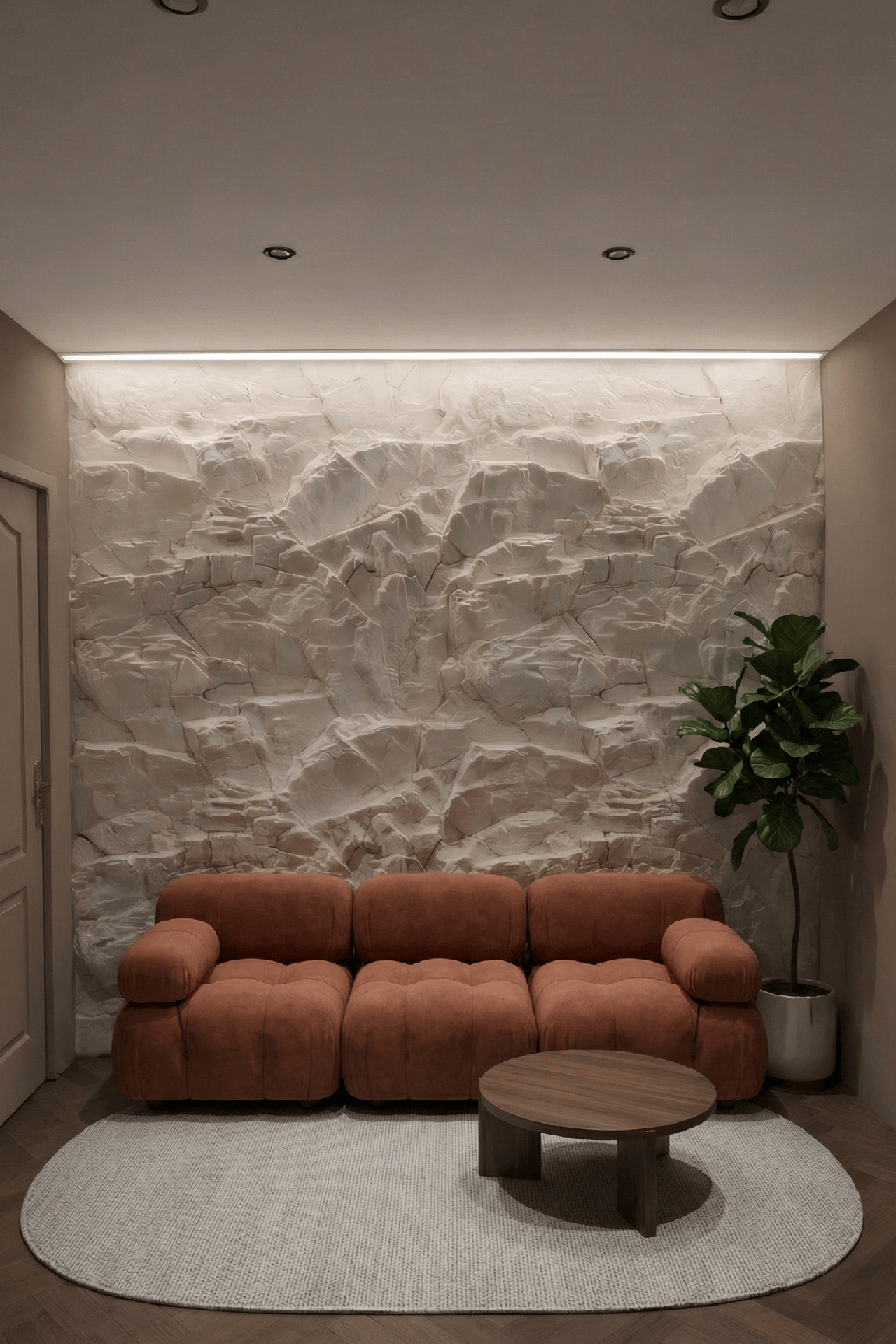
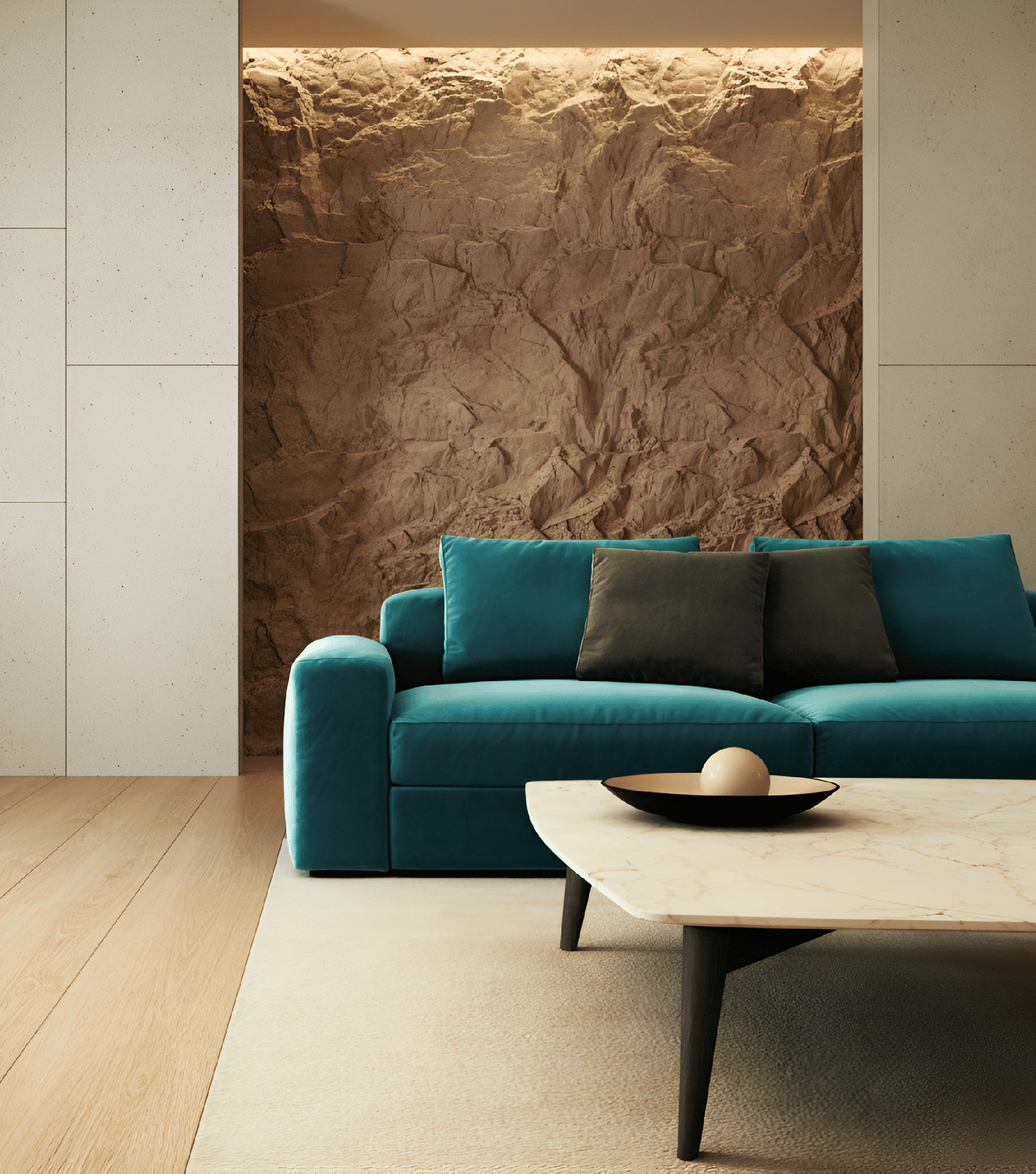
A stone wall in a living room no longer calls for masonry. The Óros decorative panel reproduces the texture of a raw rock face in mineral resin over a rigid core: 1.38 m² covered per panel, 13 kg, 10 to 85 mm of surface depth, and installation by simply gluing onto the existing wall. Eight colours, hand-painted in our workshop in Issoire, France.


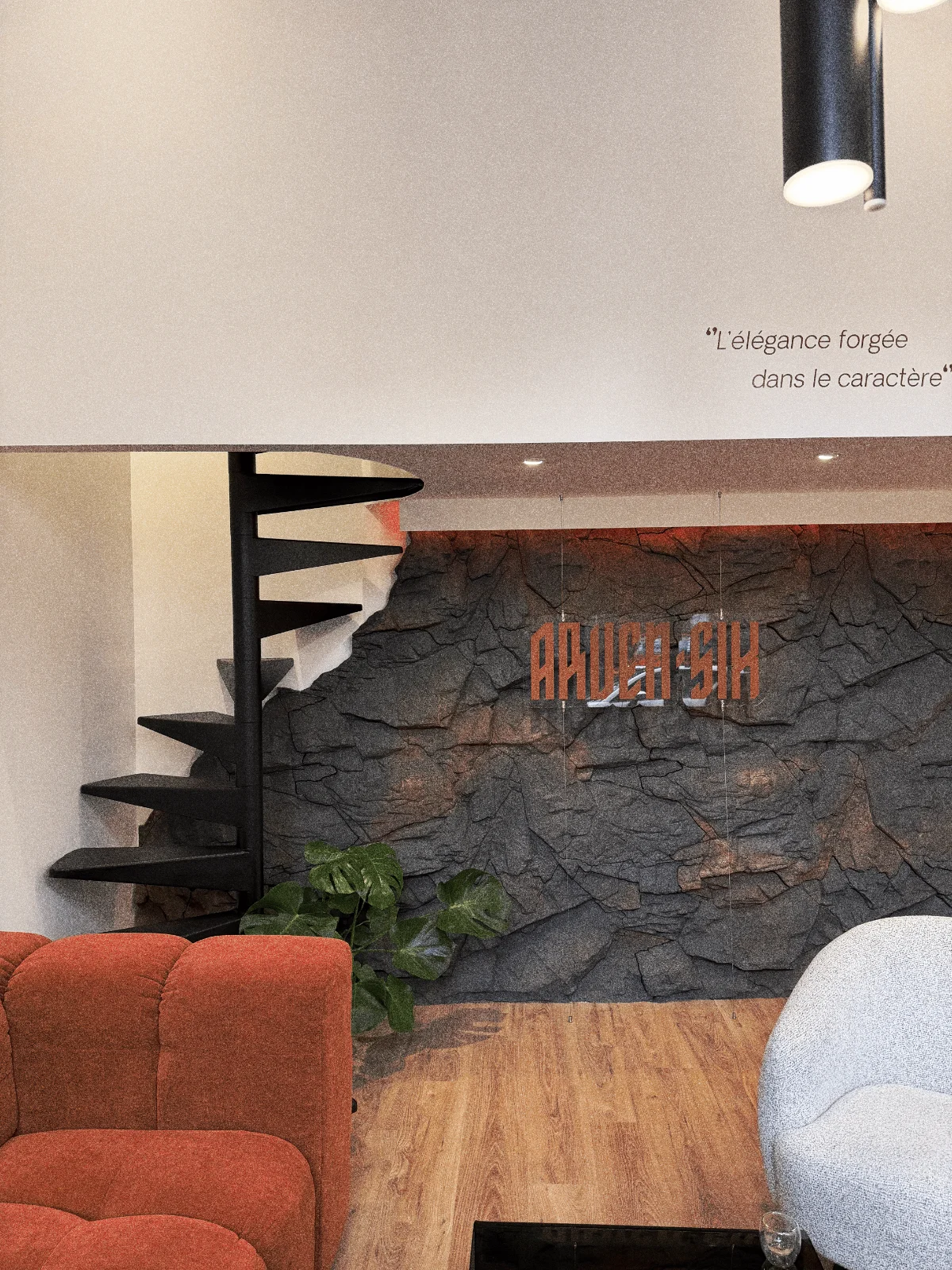
The living room is where this kind of texture works best, for one simple reason: viewing distance. You look at the wall from three or four metres, against less than one in a hallway, and that is the distance at which the cast shadows of a rock face fully read. It is also the most brightly lit room in the house, daylight by day and several sources in the evening, so the one where the material shifts most often over the course of a day.


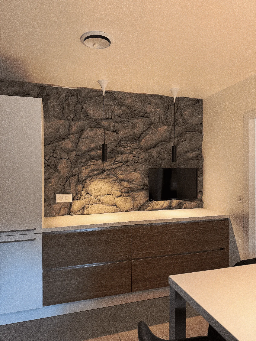
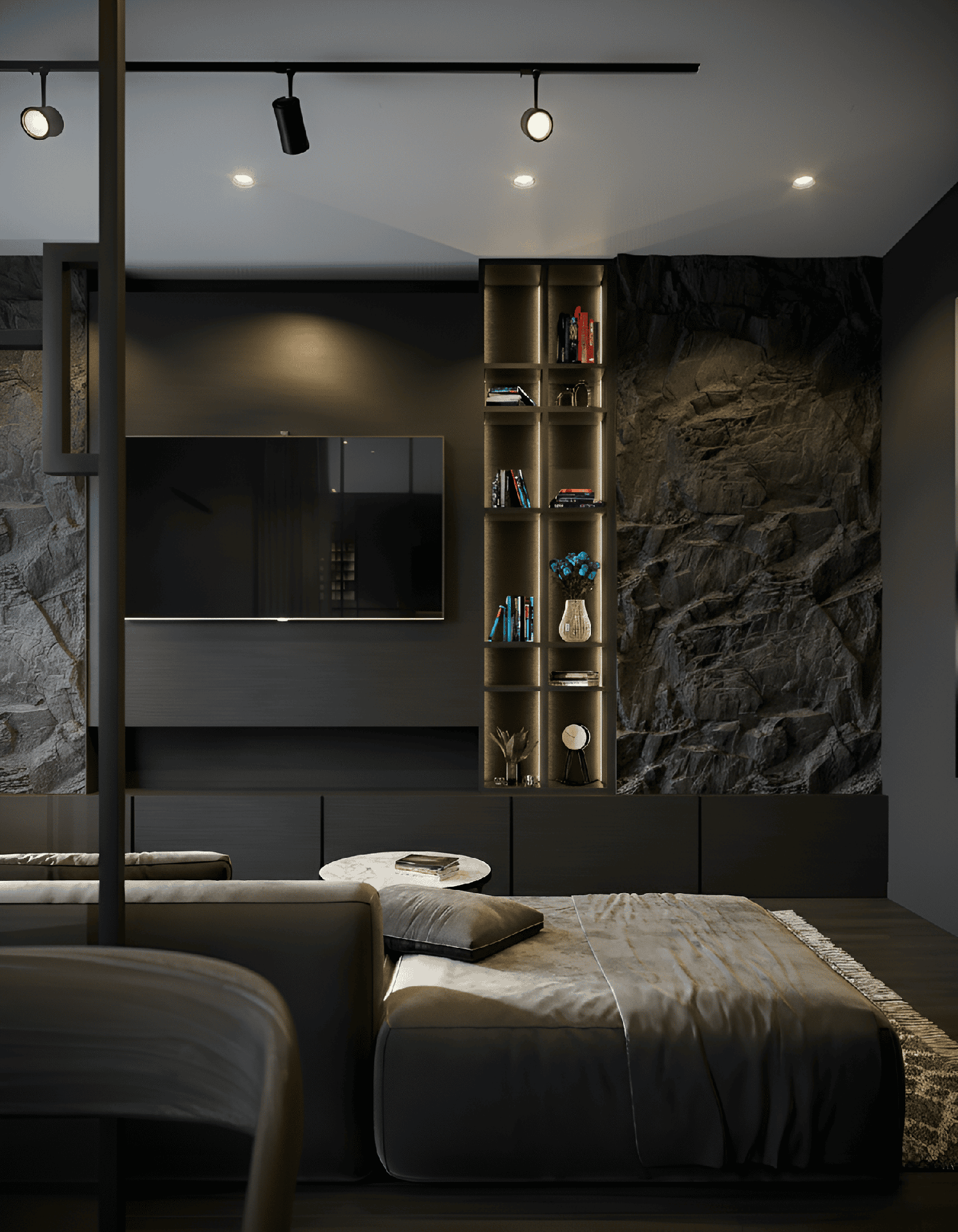
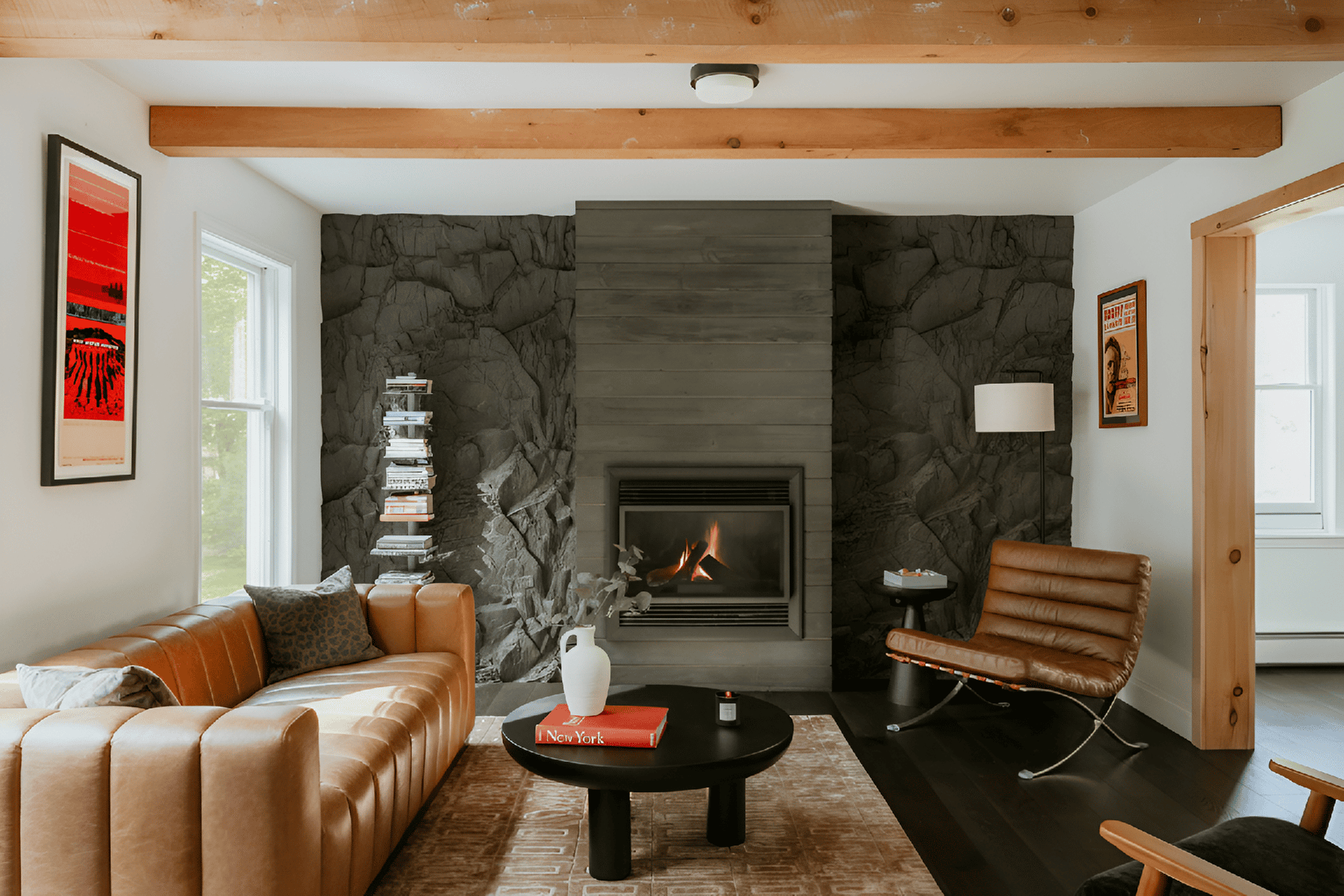
TV wall clad in stone effect panels in a living room

WHERE TO PUT A STONE WALL IN A LIVING ROOM


Four spots work particularly well. The wall behind the sofa, which becomes a backdrop without taking up any walking space. The TV wall, where the mineral texture breaks up the black screen effect instead of underlining it. The framing of a bookcase or an alcove, which gives depth to flat storage. And the wall of a reading corner, provided you add grazing light. One wall is enough: four mineral walls close a room in rather than give it structure.


Around a fireplace or a wood-burning stove, it is possible provided the safety clearances are respected. They do not depend on the panel but on your appliance: the manufacturer's instructions set the minimum clearance to combustible materials, and the flue sets its own, typically around three times its diameter for a single-wall flue and considerably less for an insulated twin-wall. Óros works very well on the chimney breast above an insert or on the wall behind a stove, as long as it stays outside that zone; inside it, use a non-combustible material intended for the purpose. If in doubt, your installer decides.


WHY CHOOSE THE ÓROS PANEL FOR YOUR LIVING ROOM


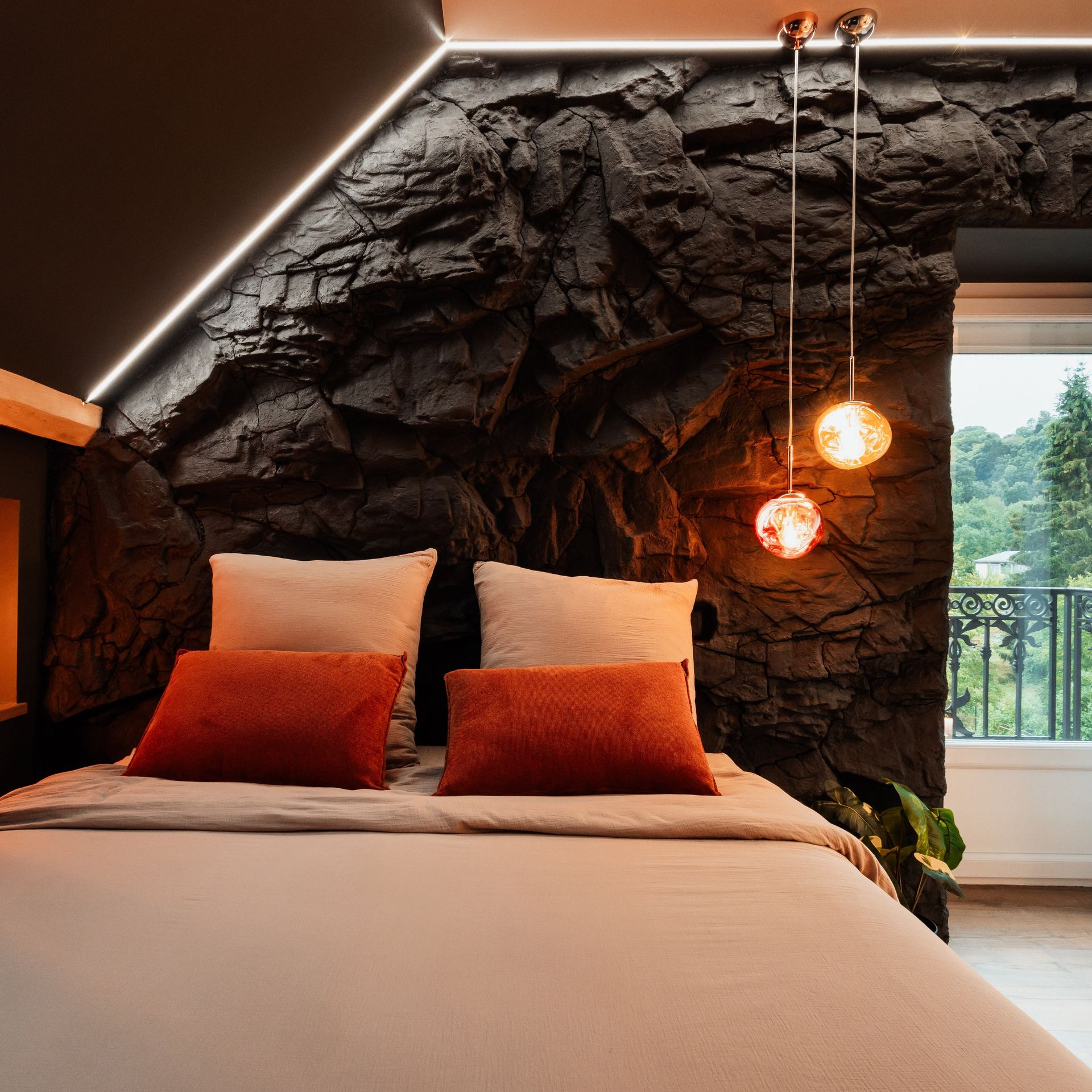
Óros does not imitate stone as an image, it reproduces its volume: up to 85 mm of depth, and paint applied by hand, panel by panel. That depth is what sets it apart from wallpaper or a decorative plaster finish. It catches the light from ceiling pendants and table lamps, casts shadows, and changes through the day. Grazing light placed 15 to 30 cm from the wall gets the most out of it; frontal light flattens it.


On site, a panel weighs 13 kg for 1.38 m² of coverage, which means one person can handle it and fit it without any structural reinforcement, where natural stone cladding puts its weight on the wall and takes far longer to install. The panels interlock through a patented geometry that makes the join invisible: no mortar joints to fill, no seams to hide.


Óros rock effect panel fitted on the wall around a wood stove

INSTALLING YOUR ÓROS PANEL: WHAT TO KNOW

Installation is within reach of a DIYer with a jigsaw and a caulking gun. The panel is glued straight onto the existing wall, with no stripping out and no building work, on plasterboard, wood, tile, concrete and painted surfaces. The substrate simply needs to be dust-free, dry and sound. KÓLLA adhesive has enough initial grab to hold the panel as soon as you press it on by hand: no props, nothing to hold in place while it cures.

The full sequence, from setting out to finishing, is detailed in our installation guide, with videos for each stage and the installation manual available to download. For upkeep, a vacuum with a brush attachment or a slightly damp sponge is enough; avoid dry cloths and scouring pads, which catch in the texture.​

Parallax rock
This will generate the product slider